Architecture of Instinct LYTH PHILOSOPHY
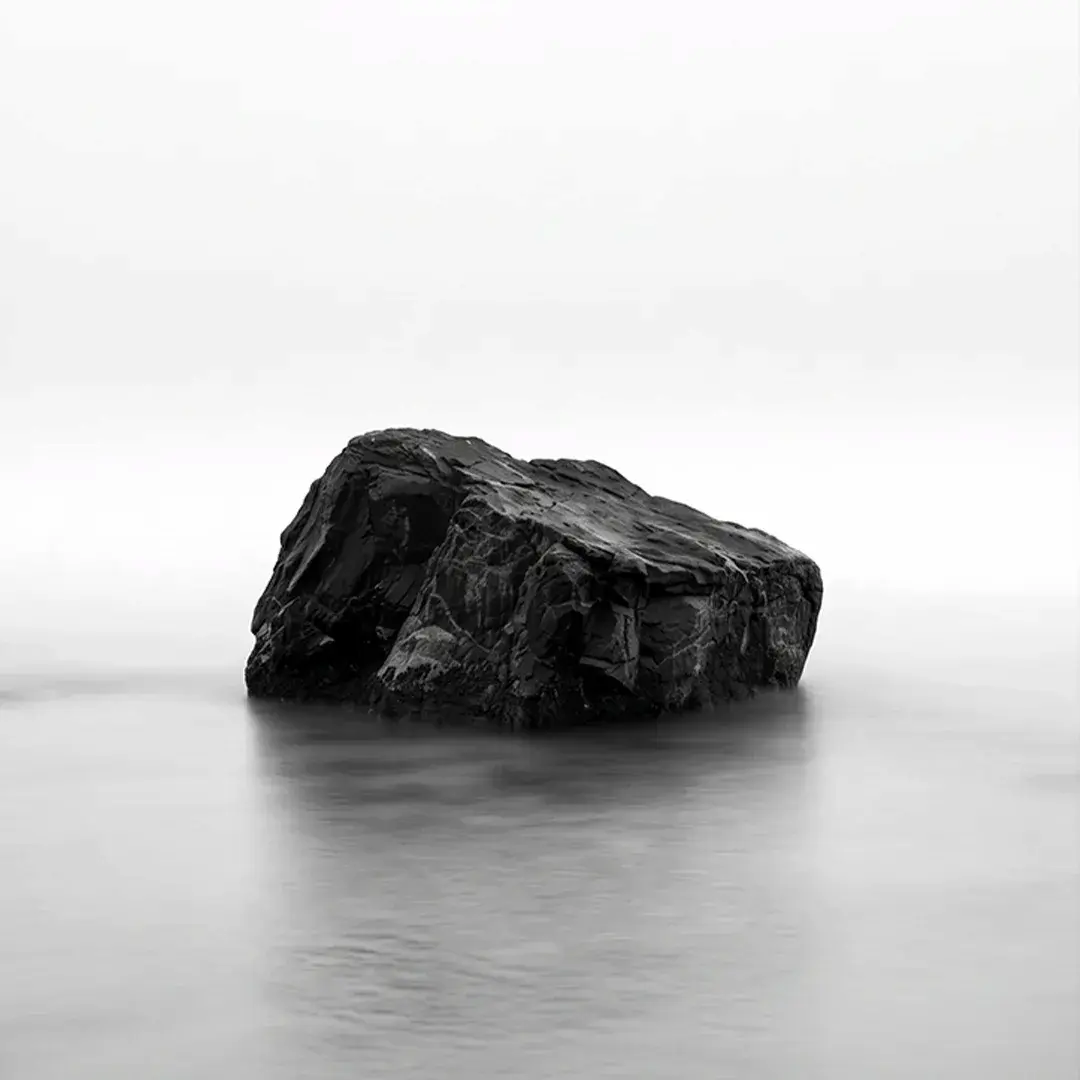
In contemporary cities, movement has become constant. We are surrounded by noise, urgency, expectation and endless acceleration.Yet within all movement, there remains a quiet centre — a state of stillness capable of holding tension without collapsing beneath it. LYTH begins from this belief. Rooted in the Korean philosophy of Jeong-Jung-Dong (靜中動), we see stillness not as absence, but as condensed energy waiting to unfold. True balance emerges when restraint and instinct no longer oppose each other, but coexist as one continuous form.
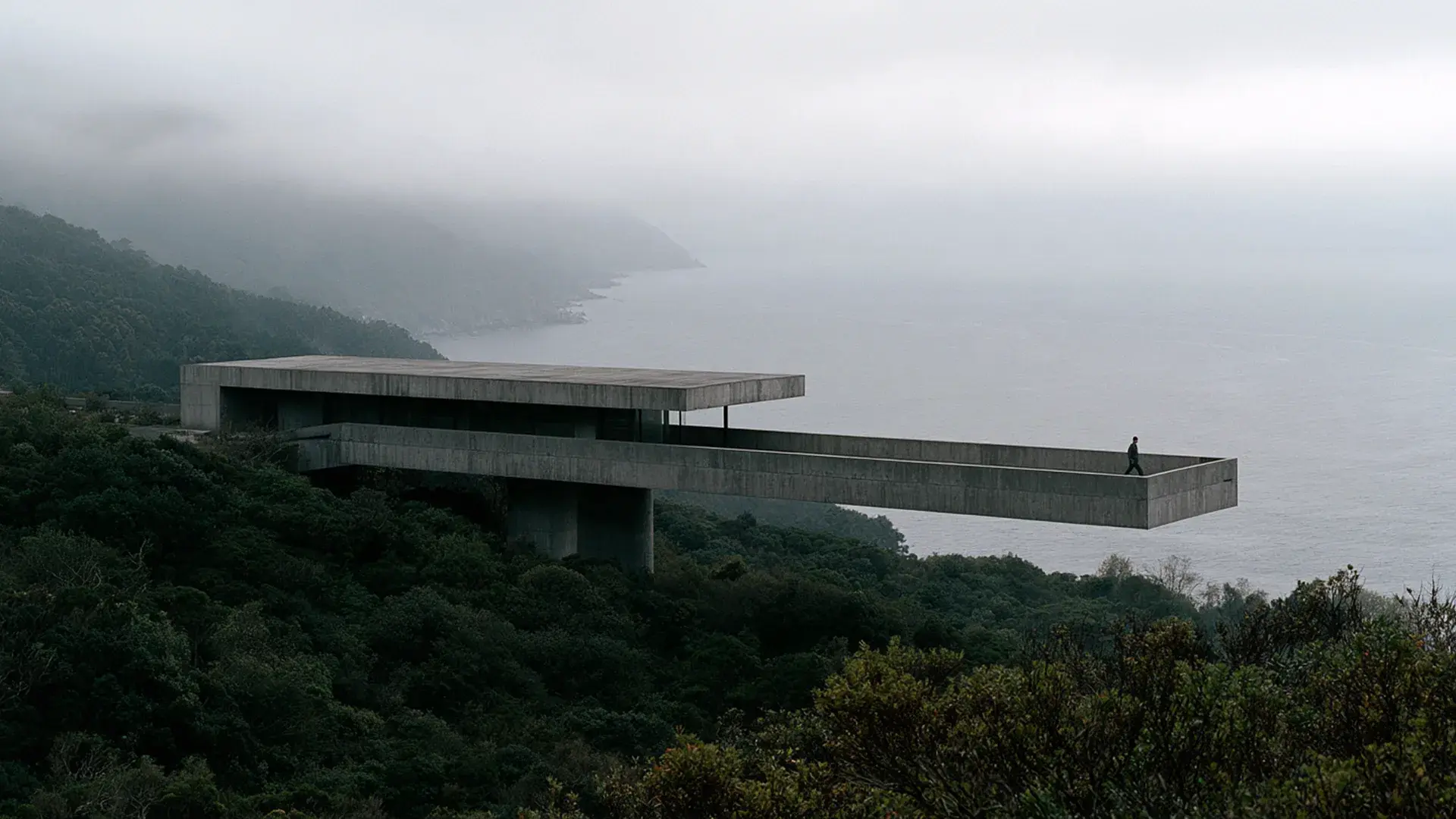
We do not approach garments as objects made simply to cover the body. Clothing, for us, is architecture. A structure built around human movement; something capable of supporting posture, holding tension and guiding instinct toward its most refined expression. The body naturally bends, weakens and adapts under the gravity of contemporary life.
LYTH responds through form — constructing quiet frameworks that stabilise movement while allowing freedom to remain untouched. Precision becomes softness. Control becomes liberation.

At the foundation of LYTH exists LITH, representing permanence, weight and rational structure. It is the architectural skeleton; the silent discipline beneath all forms. Opposing yet completing it is LITHE, the fluid energy of instinct — movement without force, flexibility without fragility, an untamed rhythm moving beneath restraint. These two forces meet within Y, a point of equilibrium where structure and instinct become inseparable. LYTH exists within this intersection.

For those who favour
subtle tension over spectacle
and material intelligence over visible status,
LYTH becomes a
form of quiet confidence.

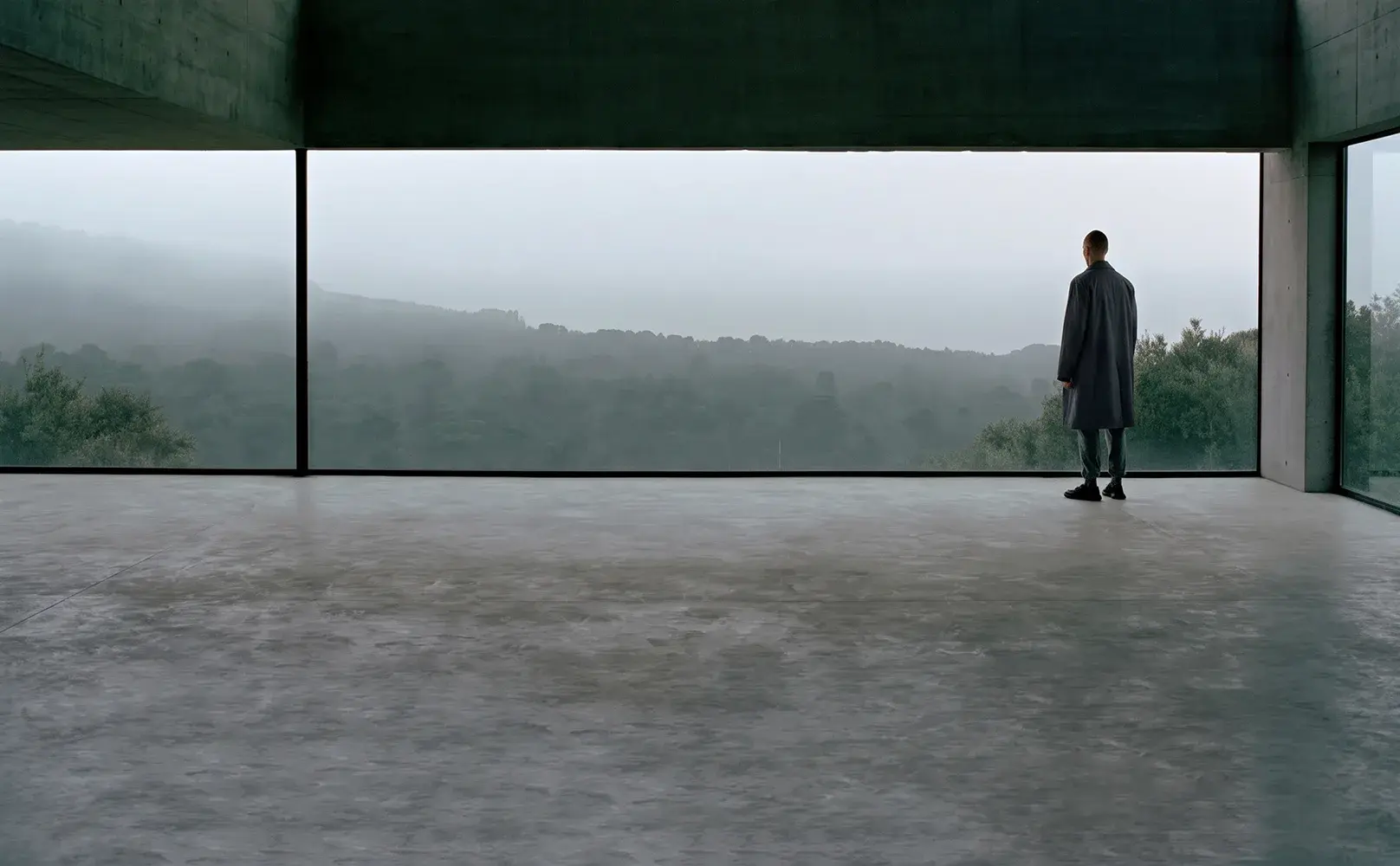
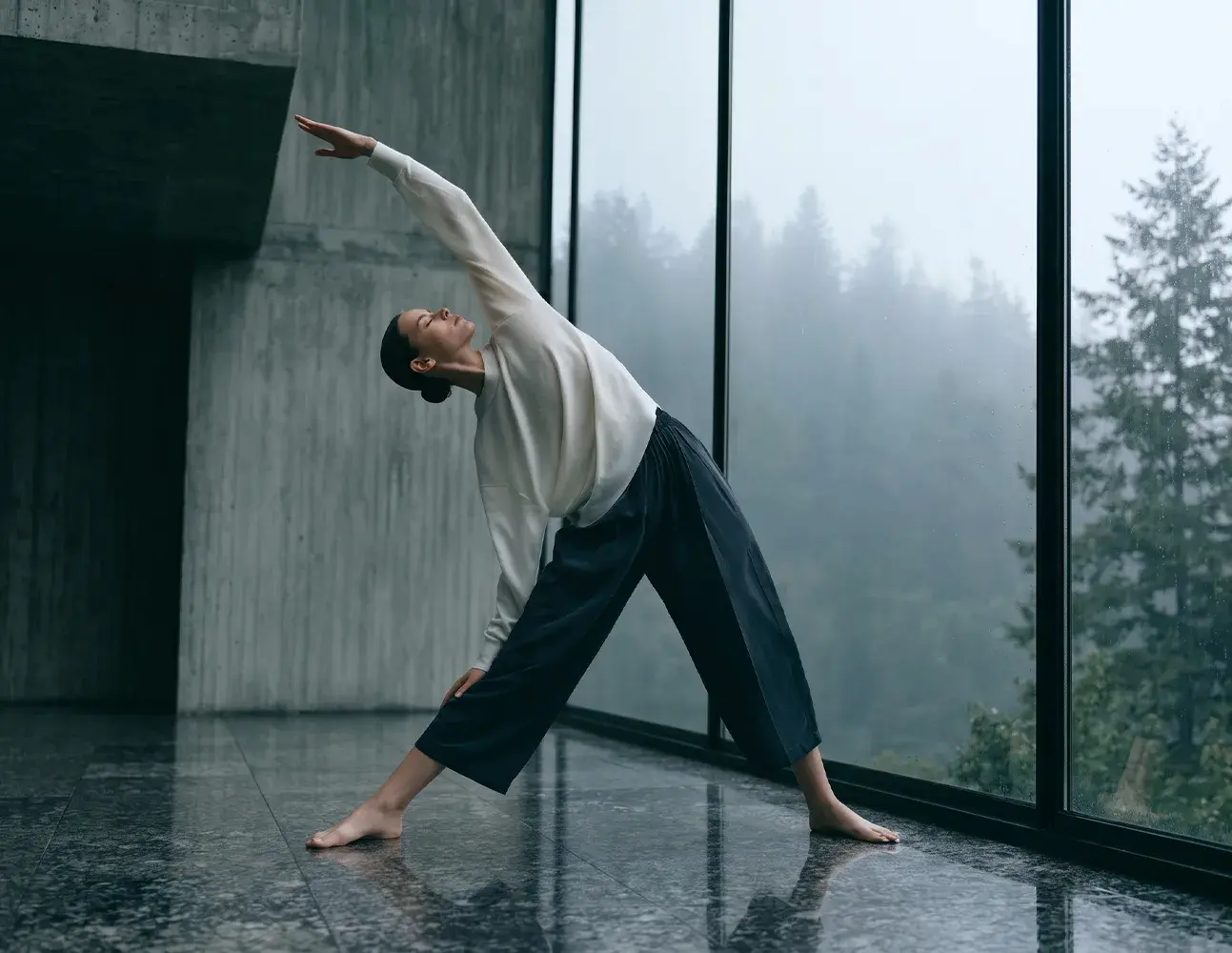
Designed not for moments of performance, but for the spaces in between — where discipline, movement and instinct quietly shape the rhythm of everyday life. As the body adapts to pressure, motion and stillness, our forms remain present; holding structure without restriction, and balance without compromise.